Unleash Playful Energy: Using the Sports Fields Font
If you've ever found yourself staring at a blank canvas, trying to design something that feels energetic but not aggressive, and fun but not childish, you know the struggle. Most premium fonts in the athletic space tend to lean heavily into intimidation—think heavy metal bands or extreme sports logos. But there is a specific niche of modern typography that bridges the gap between the gym and the playground. Enter Sports Fields.
This typeface doesn't just scream "competition"; it shouts "joy." It captures the kinetic energy of a weekend soccer match or a sunny afternoon at the park. For designers and creatives, it offers a refreshing alternative to the standard blocky athletic serif font or the sterile sans serif font. It’s a creative font that brings a smile to your face before you even read the word it forms.
The Visual Personality of Sports Fields
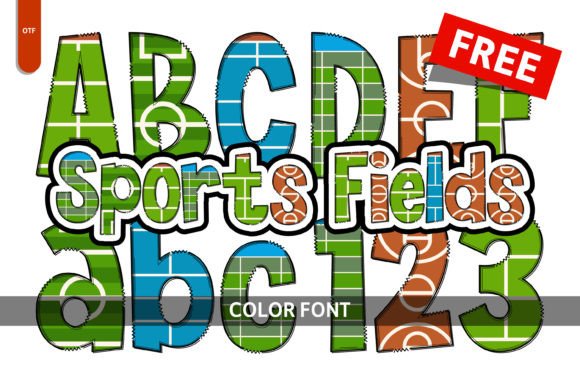
At its core, Sports Fields is a study in movement. Visually, it sits in a fascinating middle ground. It possesses the boldness required for logo design and headlines, yet it maintains a softness that is often missing in commercial typography. You will notice that the letterforms have a distinct rhythm. They aren't rigid or mechanical. Instead, they often feature slightly rounded terminals or subtle weight variations that mimic the bounce of a ball or the swoosh of a track runner.
The style leans heavily into a "whimsical athletic" aesthetic. Imagine a handwritten font that decided to hit the gym—it kept its organic charm but gained some structure and confidence. This personality makes it incredibly versatile. It avoids the coldness of geometric sans-serifs while steering clear of the overly formal nature of traditional serifs. It’s a display font that demands attention not through shouting, but through enthusiasm.
Where This Creative Font Shines
One of the biggest mistakes in editorial design and brand identity is forcing a typeface into a role it wasn't built for. Sports Fields isn't meant for body text in a legal contract. However, its utility across specific creative sectors is massive.
Children’s Publishing and Education
As noted in the design world, Sports Fields is a natural fit for children's books. The legibility is high, but the "boring" factor is low. When you are designing a cover for a middle-grade novel about a school track team, or creating headers for an educational worksheet, this font provides the necessary engagement. It tells the young reader, "This is going to be fun," without compromising the ability to actually read the words.
Packaging and Product Design
Look at the snack aisle or the toy section. Brands targeting families use typography to signal "safe" and "exciting." Sports Fields works beautifully in packaging design for items like protein bars for kids, sports equipment, or party supplies. It creates a brand identity that feels active and healthy but approachable.
Events and Marketing Collateral
If you are an entrepreneur organizing a charity 5k, a summer camp, or a community fair, your social media graphics need to pop. This font translates exceptionally well to posters, invitations, and greeting cards. It gives the impression of an organized, professional event that doesn't take itself too seriously. It’s the typography equivalent of a friendly coach who wants you to do your best but also wants you to have water breaks.
Strategic Application: Influence on Brand Perception
Choosing a typeface is a psychological decision. When you utilize Sports Fields in your designs, you are making a specific promise to your audience. You are signaling accessibility. Unlike a sharp, futuristic sans serif font which might imply technology and cold efficiency, or a script font that implies luxury and exclusivity, this style implies inclusivity.
For a small business owner, particularly in the wellness, education, or family sectors, this can be a game-changer. It fosters immediate trust. Parents trust it because it looks wholesome; kids like it because it looks dynamic. This modern typography choice influences visual hierarchy by drawing the eye to the header without creating visual tension. It creates a relaxed reading experience, which in turn keeps the viewer on your page or your product longer.
Practical Guide to Implementing Sports Fields
Buying a commercial font is an investment in your design assets library. To get the most out of Sports Fields, you need to treat it as a specialized tool rather than a universal solution.
1. Mastering the Font Pairing
This is crucial. Because Sports Fields has such a strong personality, pairing it with another loud font will result in visual chaos. The best approach is contrast. If you use Sports Fields for your headers (H1, H2), pair it with a clean, neutral sans serif font for your body copy. Think of fonts like Open Sans, Lato, or Roboto. These neutral workhorses will step back and let the display font do the heavy lifting. Avoid pairing it with a serif font like Times New Roman, as the stylistic clash can feel disjointed.
2. Readability and Sizing
While it is legible, Sports Fields is a display font. This means it is optimized for larger sizes. Don't try to squeeze it into a 10pt caption. It needs room to breathe. When using it for web design, ensure your CSS applies it strictly to headings. On mobile devices, test the tracking (letter spacing). Sometimes, energetic fonts can look a bit cramped on small screens, so adding a tiny bit of letter spacing (0.5px to 1px) can significantly improve readability.
3. Licensing and Usage
Before you download, verify the licensing. If you are creating a logo for a client, you need to ensure the premium font license covers commercial use and, specifically, logo usage. Most standard licenses cover this, but if you are creating a POD (Print on Demand) product where the font is embedded in the file sold to customers, you may need an extended license. Always read the EULA (End User License Agreement) included with your design assets.
4. Color and Context
This font loves color. Because of its playful nature, it pairs exceptionally well with vibrant palettes—bright blues, energetic oranges, or grass greens. However, it also works surprisingly well in high-contrast black and white designs for a retro sports vibe. In packaging design, try using a textured fill within the letters to give it a screen-printed or vintage athletic feel.
Conclusion: The Human Touch in Digital Design
In an era where AI-generated art and ultra-clean minimalism dominate, there is a growing hunger for designs that feel human and warm. Sports Fields answers that call. It bridges the gap between professional brand identity and personal connection.
Whether you are a blogger looking to spice up your headers, a publisher designing the next hit children's series, or a marketer creating social media graphics that need to stop the scroll, this font offers a reliable solution. It’s not just about letters on a page; it’s about the energy those letters transmit. By integrating Sports Fields into your toolkit, you aren't just choosing a font; you are choosing a mood—one that is optimistic, active, and universally appealing.