Soft Easter: A Playful Color Font for Creative Projects
Finding a typeface that balances genuine warmth with professional clarity can be a challenge. You want something that feels inviting and unique without sacrificing the functionality required for a brand identity or a marketing campaign. Soft Easter enters the design landscape as a premium font that bridges this gap, offering an Easter-inspired color font aesthetic that feels both whimsical and surprisingly versatile. It is not merely a decorative asset; it is a tool designed to inject personality into visual communication, moving beyond standard serif font or sans serif font options to deliver something with a distinct voice.
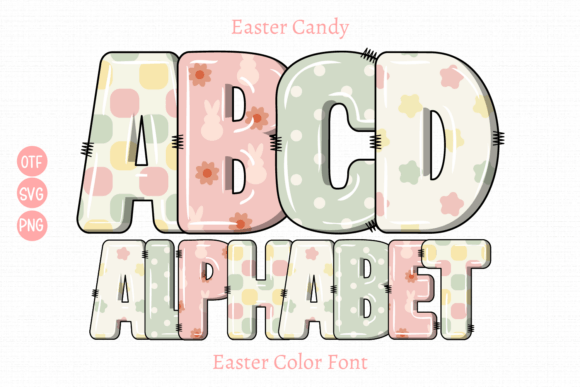
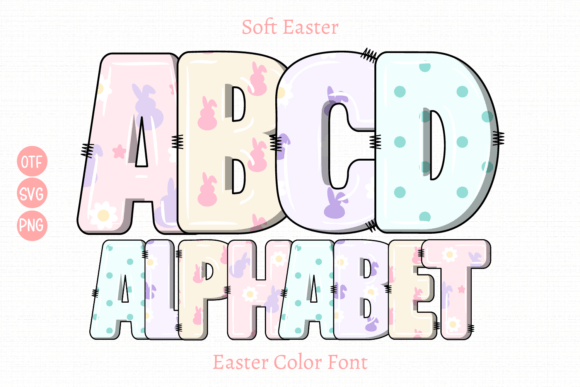
At its core, Soft Easter is a display font characterized by its gentle curves and organic flow. Unlike rigid geometric typefaces, Soft Easter embraces a handwritten font sensibility that feels approachable. The visual weight is distributed evenly, ensuring that while the font is playful, it does not look chaotic. The "color" aspect refers to the multi-tonal nature of the design, allowing for vibrant applications that standard monochromatic typefaces cannot achieve. This makes it an excellent choice for modern typography where standing out is a priority. The style bridges the gap between a casual script font and a structured creative font, making it suitable for a wide range of design assets.
Visual Characteristics and Audience Appeal
The personality of Soft Easter is defined by its softness and rhythm. The letterforms often feature rounded terminals and subtle variations in stroke width, mimicking the nuance of hand-lettering. This creates a sense of authenticity that resonates with audiences tired of sterile, corporate aesthetics. For small business owners and entrepreneurs, this font offers a way to humanize their brand. It signals approachability and creativity, making it perfect for brands that want to feel like a trusted friend rather than a faceless entity. The visual appeal lies in its ability to be expressive without being illegible, a common pitfall in more artistic typeface designs.
When evaluating a commercial font, the audience's perception is paramount. Soft Easter appeals to a demographic that values creativity and detail. Graphic designers and marketers will find that this font captures attention immediately, making it ideal for headlines and hero text. The "Easter" inspiration suggests themes of renewal, spring, and positivity, but the application extends far beyond seasonal use. It works year-round for any brand or project aiming to convey joy, care, and originality. The font’s ability to evoke an emotional response makes it a powerful asset in visual hierarchy, guiding the viewer’s eye while simultaneously setting a mood.
Strategic Applications in Design and Branding
Understanding where Soft Easter thrives is key to maximizing its potential. In the realm of brand identity, this font can serve as the cornerstone for a logo that needs to be memorable. It is particularly effective for businesses in the lifestyle, wellness, children's products, or artisanal food sectors. However, its utility extends into editorial design and packaging design. Imagine a magazine cover or a product box that uses Soft Easter for the main title; it instantly communicates a premium, crafted feel that standard fonts cannot replicate.
For digital creators and bloggers, Soft Easter offers a fresh alternative for web design elements and social media graphics. It can be used to create eye-catching Pinterest pins, Instagram stories, or website headers that stop the scroll. Because it is a color font, it can simplify the design process by incorporating multiple hues directly into the type layer, reducing the need for complex masking or layering effects. This efficiency is invaluable for content creators who need to produce high-quality visuals quickly. It also shines in personal projects like photo albums, scrapbooks, and digital planners, adding a whimsical touch that enhances the narrative of the images.
Practical Guidance for Implementation
Integrating a creative font like Soft Easter into a project requires thoughtful execution. The first step is evaluating the project fit. Because Soft Easter is a display typeface, it is best used for short bursts of text—headlines, subheadings, pull quotes, and logos. It is generally not recommended for long-form body copy, where a standard sans serif font or serif font would ensure better readability. When using Soft Easter, consider the context. Does the project call for a friendly, approachable tone? If the goal is to appear serious and authoritative, this font might be better suited as an accent rather than the primary typeface.
Font pairing is another critical consideration. To maintain visual hierarchy and readability, pair Soft Easter with a clean, neutral typeface. A simple sans-serif like Helvetica or a classic serif like Garamond can provide a stable foundation, allowing Soft Easter to command attention without overwhelming the design. This contrast creates a dynamic tension that makes the layout more engaging. When testing, pay close attention to kerning and tracking, especially if you are using the font at larger sizes where spacing imperfections become more visible.
Finally, always review the licensing. Since Soft Easter is a premium font, ensure that your license covers your intended use, whether it is for commercial client work, merchandise, or digital products. Check for included styles or alternates; many premium fonts come with variations that can add even more versatility to your toolkit. By treating Soft Easter not just as a download but as a strategic design asset, you can leverage its unique characteristics to elevate your projects, ensuring they look polished, professional, and full of character.