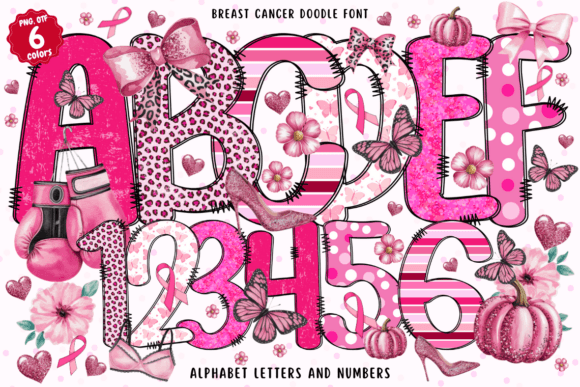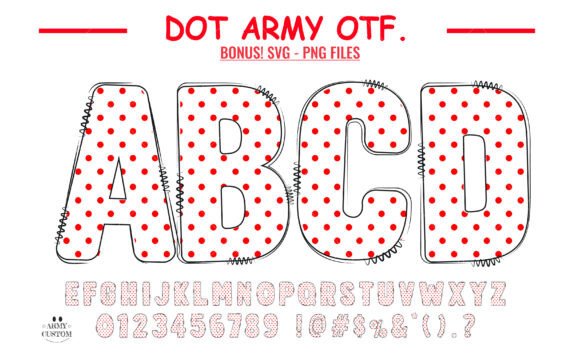
Embrace Warmth with the Dot Pattern Font
There’s a quiet confidence in the Dot Pattern font. It doesn’t shout for attention; instead, it draws you in with a subtle, tactile warmth that feels both familiar and refreshingly new. This isn’t just another typeface—it’s a design experience. At its core, Dot Pattern is a beautifully crafted serif font, but its defining feature is the intricate, woven texture of its letterforms. Imagine the elegant structure of a classic serif, where each stem and curve is built from a series of deliberate, evenly-spaced dots. This creates a captivating visual rhythm, a pattern that’s at once decorative and remarkably legible.
The personality of Dot Pattern is one of handcrafted sophistication. It carries the precision of modern typography with the soul of artisanal craft. It feels warm, inviting, and inherently artistic, making it an ideal choice for projects that need to convey authenticity, creativity, and a touch of nostalgic charm without sacrificing clarity. It’s a premium font that understands its role: to be both a functional workhorse and a standout artistic asset.
Where Dot Pattern Truly Shines: Practical Applications
Understanding a font's strengths is key to using it effectively. Dot Pattern isn't a one-size-fits-all solution, but in the right context, it’s transformative. Its textured nature makes it a stellar display font, perfect for headlines, logos, and hero text where you want to make an immediate, memorable impact. Think of a boutique bakery’s logo, a craft brewery’s bottle label, or the title on a book cover for a heartwarming novel. The dot pattern adds a layer of depth and story that a flat, solid font simply cannot achieve.
In brand identity and logo design, Dot Pattern helps establish a unique and recognizable visual language. For small business owners and entrepreneurs, it can be the cornerstone of a brand that feels personal and premium. It works wonderfully for brands in the lifestyle, wellness, artisanal food, or creative service industries. The font’s inherent texture translates beautifully to packaging design, where tactile appeal is paramount. Imagine it on a candle box, a tea tin, or a gourmet chocolate wrapper—the dots suggest care and detail, influencing brand perception before the product is even used.
For editorial design and publishing, Dot Pattern can elevate magazines, lookbooks, and blog headers. It brings a curated, artistic feel to web design when used for major headlines or pull quotes, ensuring key messages are both read and remembered. In the realm of social media graphics, where scroll-stopping power is everything, this creative font helps posts and stories stand out in a crowded feed. It’s also a fantastic tool for crafters and hobbyists designing invitations, posters, or personal projects that deserve a professional, polished finish.
Integrating Dot Pattern into Your Design Workflow
Choosing a font like Dot Pattern is just the first step. Using it wisely ensures it enhances rather than overwhelms your project. Start by evaluating project fit. Is your goal to communicate elegance, warmth, and craftsmanship? Then it’s likely a strong candidate. If you need ultra-clean, minimalist clarity for dense body copy, you might pair it with a simpler sans serif font or script font.
This brings us to the critical practice of font pairing. Dot Pattern, with its strong personality, often works best when balanced. Pair it with a clean, neutral sans serif for body text to maintain readability. For example, the textured elegance of Dot Pattern for headlines can be beautifully grounded by a font like Montserrat or Lato for paragraphs. This creates a clear visual hierarchy, guiding the reader’s eye naturally through your content. Avoid pairing it with other highly decorative or textured fonts, as this can create visual competition and reduce readability.
When you review included styles, check if the family offers weights like Regular, Bold, or Italic. A Bold weight can add emphasis for subheadings, while an Italic might offer a softer, more flowing accent for quotes. Always test the font in your specific context. View it at the intended size on different screens and in print if possible. Ensure the dot pattern remains distinct and doesn’t blur into a solid mass at smaller sizes—a key consideration for web design and mobile responsiveness.
Finally, respect the commercial licensing. As a premium design asset, Dot Pattern is typically licensed for commercial use, which is essential for entrepreneurs and businesses. Using a properly licensed font protects your brand and supports the designers who create these valuable tools. By thoughtfully integrating Dot Pattern, you leverage its unique charm to build stronger brand identity, enhance audience engagement, and add a layer of sophisticated artistry to every project you touch. It’s more than a typeface; it’s a strategic design choice.