Stained Glass Glitter: A Font That Captures Christmas Magic
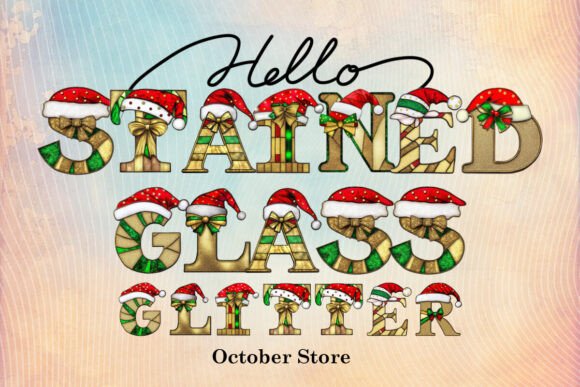
There's a particular kind of light you only see in December—the way candlelight catches on tinsel, how snowflakes glitter under streetlamps, the warm glow spilling from frosted windows. The Stained Glass Glitter Alphabet font captures that exact feeling. This isn't just another decorative typeface. It's a color font built with OpenType-SVG technology, meaning each letter arrives pre-rendered with the rich, layered depth of actual stained glass, complete with shimmering embellishments that feel genuinely luminous on screen.
Understanding the Visual Character of This Typeface
Stained Glass Glitter sits at the intersection of traditional craftsmanship and digital celebration. Each letterform draws from the intricate leading patterns you'd find in cathedral windows—those dark, deliberate outlines that separate one jewel-toned pane from another. But here, the "glass" portions aren't flat. They carry gradient shifts, dimensional shading, and fine glitter particles that catch light in a way that feels almost tangible.
The personality of this font leans heavily into warmth and nostalgia. It's playful without being childish, ornate without becoming illegible. Think of it as a display font that tells a story the moment someone sees it. The serif-like structure of each character gives it a grounded, classic foundation, while the glitter overlays push it firmly into festive territory. It doesn't whisper holiday spirit—it announces it with confidence and sparkle.
What makes Stained Glass Glitter particularly compelling is how it bridges the gap between handcrafted charm and polished design. Many decorative fonts sacrifice sophistication for whimsy, or vice versa. This one holds both. The craftsmanship evident in each letter suggests someone spent real time studying how light interacts with colored glass, then translated that understanding into a digital format designers can actually use.
Where This Font Truly Shines
Not every project calls for a font this distinctive, and that's precisely what makes knowing where to use it so valuable. Stained Glass Glitter earns its place in specific contexts where visual impact matters more than body-text readability.
Brand Identity and Logo Design
For businesses that revolve around the holiday season—boutique gift shops, seasonal bakeries, event planners specializing in winter celebrations, or artisan candle makers—this font can anchor a visual identity that feels immediately evocative. A logo set in Stained Glass Glitter communicates warmth, tradition, and a commitment to beauty. It works especially well as a logotype for brands that want to signal premium craftsmanship without appearing sterile or overly corporate.
Editorial and Publishing Projects
Magazine covers, book chapter headings, holiday cookbook titles, and newsletter mastheads all benefit from a typeface with this much visual personality. Imagine a Christmas anthology with "Winter Stories" set in Stained Glass Glitter on the cover—instantly, the reader understands the tone before reading a single page. For publishers working on seasonal editions or limited-run holiday publications, this font delivers that unmistakable festive authority.
Packaging Design
Product packaging for holiday goods—gourmet chocolates, specialty teas, scented candles, gift sets—often needs to communicate luxury and seasonal relevance simultaneously. Stained Glass Glitter accomplishes both. Used on box lids, label headers, or ribbon text, it elevates packaging from functional to collectible. The glitter effect translates beautifully to printed materials when paired with the right production techniques like foil stamping or spot UV coating.
Digital and Social Media Graphics
Instagram stories, Pinterest pins, Facebook event headers, YouTube thumbnails—these platforms reward visual boldness. A holiday sale announcement or a seasonal recipe card rendered in Stained Glass Glitter stops the scroll. The font's inherent shimmer translates well to screens, where backlit displays actually enhance the luminous quality of the color font rendering. For content creators building a holiday content calendar, having this typeface in rotation adds variety and visual richness to the feed.
Web Design and Digital Invitations
Wedding websites for winter ceremonies, digital holiday party invitations, e-card designs, and seasonal landing pages all benefit from a font that carries built-in visual texture. Stained Glass Glitter works as a hero headline on a webpage, drawing the eye without requiring additional graphic elements to fill the space. It's the kind of typeface that does heavy lifting for you.
Crafting and Personal Projects
Crafters working in Silhouette or Illustrator will find this font particularly rewarding for personal projects—custom Christmas cards, scrapbook layouts, gift tags, and home décor printables. The font arrives ready to impress, requiring minimal additional design work to look polished.
Working With Stained Glass Glitter: Practical Guidance
Before committing to any premium font, smart designers evaluate fit carefully. Here's how to approach Stained Glass Glitter with a professional mindset.
Compatibility and Technical Considerations
This is an OpenType-SVG color font, which means it renders with full color and detail in applications that support this technology—specifically Photoshop, Illustrator, Silhouette, and Inkscape. The OTF and TTF files are not compatible with Cricut, so crafters using that platform should plan accordingly. If you're new to color fonts, the Ultimate Font Guide provides comprehensive instructions on installation and usage across supported software.
Readability and Visual Hierarchy
Stained Glass Glitter excels at large sizes—headlines, titles, hero text, and standalone words or short phrases. At smaller sizes, the intricate detail that makes it beautiful can become muddy and difficult to read. Use it strategically as a headline or accent font, then pair it with a clean sans serif font or a simple serif font for supporting text. A pairing like Stained Glass Glitter with a neutral geometric sans serif creates a balanced composition where the decorative font gets room to breathe without overwhelming the layout.
Evaluating Project Fit
Ask yourself a few honest questions before selecting this typeface. Does the project have a seasonal, celebratory, or artisanal tone? Is the primary text application at display size? Does the color palette of the project complement the warm jewel tones embedded in the font? If you answered yes to these, Stained Glass Glitter is likely a strong choice. If the project demands austere minimalism or high-density body text, you'll want to look elsewhere—perhaps reserving this font for a single accent element rather than primary typography.
Font Pairing Strategies
The best font pairings create contrast without conflict. Try combining Stained Glass Glitter with a modern, lightweight sans serif for contemporary holiday campaigns. For a more traditional feel, pair it with a classic serif typeface in a neutral weight. Script fonts and handwritten fonts can work as secondary accents in a layout that features Stained Glass Glitter as the dominant display element, but exercise caution—too many decorative voices in one composition creates visual noise rather than harmony.
Commercial Licensing
For entrepreneurs, marketers, and small business owners planning to use Stained Glass Glitter in commercial work—client projects, products for sale, branded materials—review the licensing terms included with your purchase. Most premium font licenses cover standard commercial use, but specific applications like large-scale distribution or embedded digital products may require extended licensing. Understanding these terms upfront protects your business and respects the craft of the font designer.
Making the Most of Your Investment
A font like Stained Glass Glitter is a design asset with a specific purpose. It won't replace your everyday workhorse typefaces, nor should it. Its value lies in its ability to instantly communicate a mood—festive warmth, artisanal quality, celebratory joy—that other fonts require significant supporting design work to achieve.
Consider building a small library of complementary design assets around it: coordinating patterns, color palettes drawn from its jewel tones, simple geometric borders that echo its leading lines. When you treat a specialty font as part of a cohesive system rather than an isolated element, the results consistently look more professional and intentional.
For designers, crafters, and creative professionals who regularly produce holiday content, Stained Glass Glitter represents a meaningful addition to the toolkit. It brings that rare combination of visual complexity and emotional immediacy—the kind of typography that makes people pause, look closer, and feel something. And in a season built entirely around feeling, that's exactly the kind of design work worth creating.