Poppy Flower Font: A Designer's Guide to Botanical Typography
There's a specific challenge in design: capturing an organic, living feeling using digital tools. We often reach for script or handwritten fonts, but they can sometimes feel overused. The Poppy Flower Font offers a different path. It’s a creative font that doesn't just mimic nature—it embodies it. Each character is crafted with the delicate, layered beauty of an actual poppy, making it a unique asset for projects that need a touch of authentic, botanical elegance.
Understanding the Visual Character
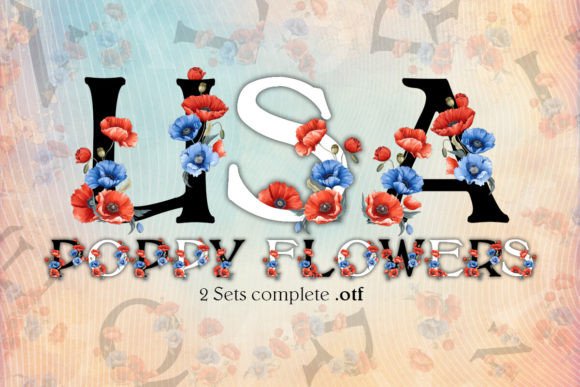
At its core, Poppy Flower is a display font. This means it’s engineered for impact, not for body text. Think of it as the headline act, not the supporting player. Its letterforms are intricate, featuring the soft curves and subtle textures of poppy petals. This creates a high level of visual detail. The font’s personality is gentle, artistic, and slightly whimsical, yet it maintains a clean structure that prevents it from looking childish. It’s a premium font that bridges the gap between illustration and typography, offering a modern take on floral design assets.
The true magic lies in its color capability. As an OpenType-SVG font, the Poppy Flower Font retains its color and gradient information directly within the file. This isn't a flat, single-color typeface. When you type a letter "A," you get a letter "A" that looks like it was painted with watercolor, complete with subtle shading and petal-like textures. This feature is a game-changer for projects where visual depth is paramount. It immediately elevates a design from standard to sophisticated, providing a built-in artistic effect that would otherwise require complex layering in software like Adobe Photoshop.
Where This Font Truly Shines
Knowing where to deploy a specialized typeface like this is key. Its strength lies in applications where personality and visual storytelling are the primary goals. It’s not a workhorse font for a corporate report; it’s a strategic choice for moments that need to feel special and curated.
For Branding and Identity: Imagine a boutique florist, an artisan soap company, a specialty tea brand, or a high-end wedding planner. The Poppy Flower Font can become the cornerstone of their brand identity. Used in a logo, on packaging, or across social media graphics, it instantly communicates a brand that values beauty, craftsmanship, and natural ingredients. It helps build a brand perception that is both professional and deeply personal.
For Editorial and Publishing: In book cover design, especially for genres like romance, literary fiction, or poetry, this font sets the tone before a single word of the story is read. It can transform a chapter title in a cookbook or the header of a lifestyle magazine spread. The font’s visual hierarchy is built-in; its ornate nature naturally draws the eye, making it perfect for main headlines that need to command attention.
For Digital and Print Projects: The applications are wide-ranging. Consider elegant wedding invitations, birth announcements, or greeting cards where a handwritten font might feel too casual. In digital spaces, it can make a website banner or an email newsletter header feel more engaging. For social media, a quote graphic set in the Poppy Flower Font stops the scroll, offering a visual pause that feels artistic rather than promotional. It’s also a standout choice for packaging design, turning a product label into a piece of art that enhances shelf appeal and audience engagement.
Practical Guidance for Implementation
Adopting a new font into your workflow requires a thoughtful approach. Here’s how to get the most out of the Poppy Flower Font.
Evaluate Project Fit First: Before you dive in, ask if the project’s tone aligns with the font’s personality. Is the goal to feel artisanal, romantic, or naturally elegant? If the project demands a stark, minimalist, or highly technical aesthetic, a sans serif font will likely be a better fit. The Poppy Flower Font excels when the brief calls for warmth and organic appeal.
Master the Art of Font Pairing: A display font like this needs a partner. Because it is so detailed, it pairs best with clean, simple typefaces that provide contrast and ensure readability for longer text. A classic serif font like Garamond can add a touch of traditional elegance, while a geometric sans serif font like Montserrat or Lato offers a modern, balanced counterpoint. Avoid pairing it with other ornate or script fonts, as this will create visual chaos and dilute the impact of both.
Test for Readability and Compatibility: Always test the font at the size you intend to use it. Its intricate details are best appreciated at larger scales. At very small sizes, the petal textures might become muddy. Also, heed the technical notes: as a color font, it works seamlessly in programs like Adobe Photoshop, Illustrator, and Silhouette. It is not compatible with Cricut machines. Understanding these technical limitations upfront prevents frustration and ensures your design assets translate perfectly from screen to final product.
Review Licensing and Styles: When you acquire a commercial font, review the license. Most premium fonts for designers allow for a wide range of commercial use, but it’s a professional courtesy and necessity to confirm the terms. Check what’s included—is it just the regular weight, or are there alternates? While the Poppy Flower Font’s primary style is its colored SVG version, knowing all your options within the typeface family allows for greater creative flexibility.
Ultimately, the Poppy Flower Font is more than just a set of letters. It’s a design solution for creating immediate emotional connection and visual distinction. By using it strategically, you can infuse your projects with a sense of natural artistry that feels both timeless and refreshingly modern. It’s a tool that helps transform ordinary text into a memorable visual experience.