Bear Love: The Color Font That Changes the Game
Why This Typeface Grabs Attention Instantly
Let's be honest: the design world is loud. We are all fighting for a split second of attention in a sea of endless scrolling. If you are working on a project that needs to stop the scroll—whether it's a wedding invitation, a product label, or a social media banner—relying on standard black text often isn't enough. You need a tool that brings its own lighting. Enter Bear Love, a premium font that isn't just a set of characters; it is a fully rendered piece of art.
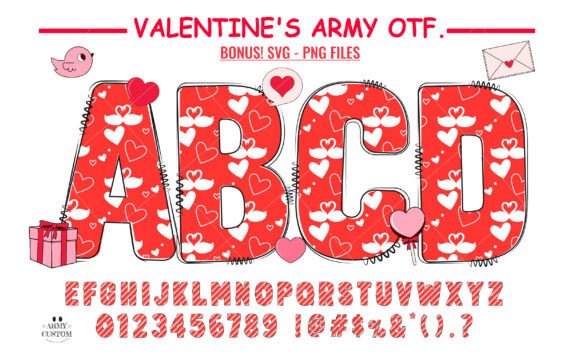
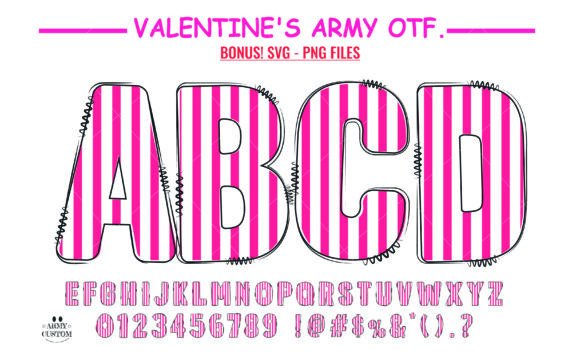
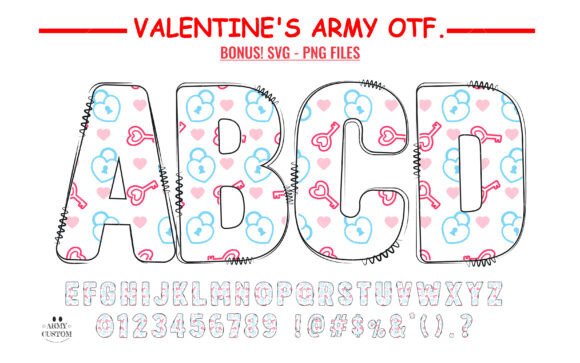
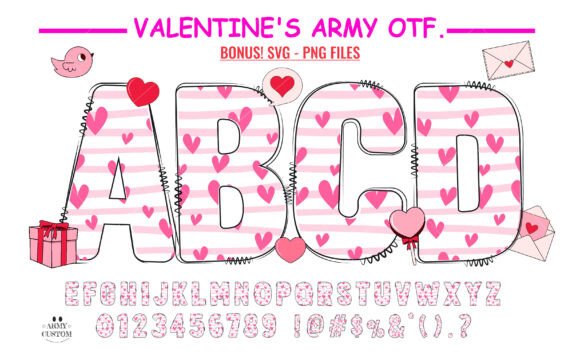
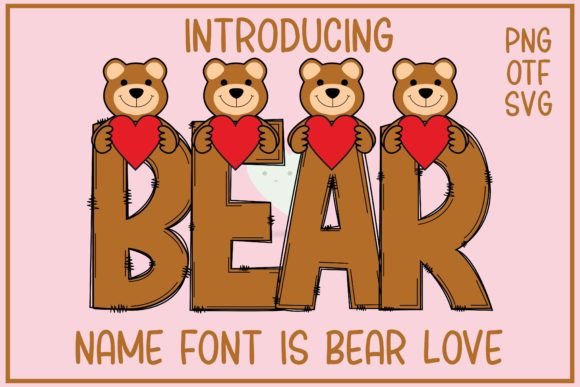
So, what exactly is Bear Love? At its core, it is a creative font that utilizes modern color font technology. Unlike traditional typefaces where you type in a single flat color, Bear Love comes pre-loaded with gradients, textures, and shading. Imagine a handwritten style that looks like it was painted with soft, blended watercolors or vibrant pastels. That is the essence of this design asset. It takes the warmth of a script font or handwritten font and elevates it with visual depth that usually takes hours to achieve manually in Photoshop.
The personality of Bear Love is exactly what the name suggests: it’s affectionate, warm, and incredibly approachable. It strikes a balance between whimsical and professional. It doesn't look childish, but it retains a playfulness that is often missing in corporate modern typography. The letterforms usually feature fluid connections and a rhythmic baseline that mimics natural handwriting, making it feel personal and authentic. It’s the kind of font that makes a viewer feel like the message was crafted specifically for them.
Where Bear Love Shines: Real-World Applications
Understanding the technical specs of a font is one thing, but knowing where to use it is where the strategy comes in. As a display font, Bear Love is designed for impact, not for body copy. You wouldn't use it to write a 500-word blog post, but you absolutely want it leading the charge on your headers.
Branding and Logo Design
If you are an entrepreneur or a small business owner, your brand identity is your handshake. Bear Love works exceptionally well for brands that want to convey warmth, creativity, and a human touch. Think of boutique bakeries, lifestyle coaches, children’s clothing lines, or artisan craft shops. Using Bear Love for your logo design immediately tells your audience that you are approachable and detail-oriented. Because it is a color font, you have to be mindful of the background contrast, but when placed correctly, it creates a logo that is memorable and distinct.
Packaging and Editorial Design
In packaging design, shelf appeal is everything. A label needs to communicate the vibe of the product instantly. Bear Love is perfect for headers on packaging for organic goods, cosmetics, or specialty foods. It adds a "premium" feel without looking sterile. Similarly, in editorial design, such as magazine covers or chapter openers, this font can set the mood. It breaks the monotony of standard serif or sans-serif layouts, offering the reader a visual "breather" that feels artistic.
Digital Presence: Web and Social
For web design, performance and aesthetics need to coexist. Bear Love is excellent for hero images or website banners where you want to make a bold statement. However, because it is a heavy graphic file (being a color font), you need to ensure it loads quickly. On social media graphics, this font is a powerhouse. Instagram stories, Pinterest pins, and YouTube thumbnails thrive on visual stimulation. Bear Love cuts through the noise because it looks like a custom graphic rather than standard text.
Strategic Design: How Bear Love Influences Perception
Typography isn't just about decoration; it’s about psychology. The fonts you choose influence how your message is received. Bear Love impacts audience engagement by triggering an emotional response. The soft, painted textures often associated with this type of font evoke feelings of comfort and nostalgia. If you are trying to sell a feeling—like the coziness of a handmade scarf or the joy of a celebration—this font does the heavy lifting for you.
Furthermore, using a distinct typeface like Bear Love aids in brand recognition. In a market saturated with geometric sans-serifs (think Helvetica or Futura), a textured, colorful display font stands out. When a user sees that specific style of text repeatedly across your thumbnails and headers, they begin to associate that visual style with your content before they even read the words. That is the power of visual hierarchy.
Practical Guidance for Implementation
Adopting a new design asset requires a bit of finesse. Here is how to get the most out of Bear Love in your workflow.
Font Pairing Essentials
Because Bear Love is visually complex and rich with color, it demands a quiet partner. This is where font pairing becomes critical. You should never pair this display font with another decorative or script font; that will create visual chaos.
- Pair with a Clean Sans-Serif: Fonts like Montserrat, Open Sans, or Lato provide a neutral backdrop that lets Bear Love take center stage. The contrast between the organic, painted Bear Love and the geometric sans-serif creates a professional tension that looks intentional.
- Pair with a Simple Serif: If your brand leans more traditional or elegant, a light-weight serif font (like Lora or Playfair Display) can work, provided the weight contrast is high. Bear Love should be the "loud" voice, and the serif should be the "quiet" narrator.
Readability and Hierarchy
Since Bear Love is a creative font, readability is best at larger sizes. Use it for H1 headers, H2 sub-headers, or pull quotes. Avoid using it for small captions or metadata. When setting your text, pay attention to letter spacing (tracking). Handwritten and script fonts often benefit from a little bit of extra breathing room to ensure the flourishes don't collide with adjacent letters.
Licensing and Technical Checks
Before you finalize a design, always check the licensing. Bear Love is a commercial font, meaning you need to ensure your license covers your specific use case—whether that is for a client's logo, print-on-demand merchandise, or a digital app. Additionally, test the font across different devices. Because it is a color font, it may render differently in older browsers or non-compatible software (like older versions of Microsoft Word). Always have a fallback plan, such as a static version of the font or a standard sans-serif alternative for environments that don't support color typography.
Evaluating Project Fit
Ask yourself: Does this project require a "human" element? If you are designing a corporate banking report, Bear Love might be too casual. But if you are designing a wedding program, a bakery menu, or a motivational poster, it is likely the perfect choice. Evaluate the tone of your content. If the words are warm, the font should be warm. If the content is serious and structural, stick to standard serif fonts or sans serif fonts.
Ultimately, Bear Love is more than just a typeface; it is a mood setter. It bridges the gap between standard digital text and custom hand-lettering. For designers, marketers, and creators looking to add a layer of texture and emotion to their work, it is a valuable addition to the toolkit. It proves that in the right context, typography can be just as colorful and expressive as the images it accompanies.